Source Steel Extension Ring for Industrial, Auto, and Furniture
Find reliable steel extension ring options from verified suppliers. Compare 30 products featuring compression and extension capabilities for industrial, automotive, and furniture applications with customizable packaging and origins in China; compare the available evidence and request quotations based on your requirements.
Key considerations
Products List


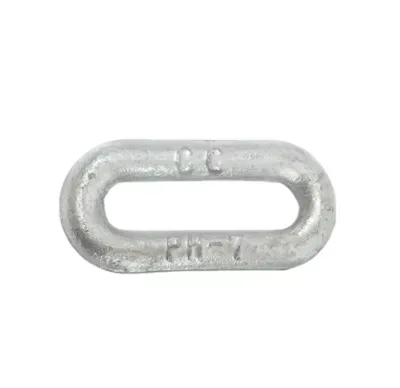
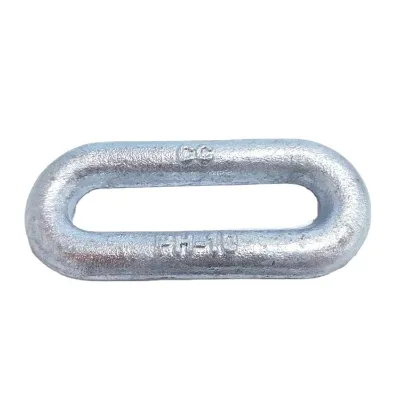


Comprehensive Sourcing Guide
Steel Extension Ring Sourcing Guide
Procuring steel extension rings requires a clear understanding of the specific mechanical demands placed on the component, particularly regarding load types and material integrity. Buyers must distinguish between extension and compression variants, as the supplied data indicates distinct functional requirements for each. The observed market includes products designed for industrial, automotive, and furniture applications, where the steel construction must withstand specific stress profiles without failure.
Verification of the physical dimensions and surface treatments is critical before finalizing any purchase order. The available listings reveal a range of thicknesses from 0.8mm to 1.6mm and various surface treatments such as galvanization, which directly impact corrosion resistance and longevity. Sourcing decisions should prioritize suppliers who can demonstrate consistent adherence to these dimensional tolerances and material specifications to ensure the rings perform reliably in their intended environments.
Product Scope and Observed Listing Signals
The current market for steel extension rings presents a diverse array of configurations, including rectangular and coil shapes with varying depths and standard sizes. Listings indicate specific models like HBE50178 and TP122, alongside general specifications ranging from 16mm to 40mm in diameter or standard depth measurements. Buyers should note that while some products are packaged in boxes or cartons, others utilize woven bags or custom packaging, which may influence logistics planning and storage requirements.
Observations suggest that customization is widely available, allowing buyers to tailor dimensions and features to specific project needs. The presence of OEM capabilities across multiple listings confirms that manufacturers are prepared to produce branded or modified units. However, the variation in origin locations, including Zhejiang, Hebei, and Hangzhou, implies that buyers must carefully evaluate regional supply chain reliability and shipping costs when selecting a vendor for these specialized steel components.
Technical Specifications to Verify
Dimensional accuracy is paramount when selecting steel extension rings, as the observed thickness ranges from 0.8mm to 1.6mm and specific depths are noted as 1-7/8 inches. Buyers must verify that the selected unit matches the exact depth and diameter requirements of their assembly, as deviations can lead to fitment issues or structural weakness. The distinction between standard models and custom specifications requires precise communication with the supplier to avoid receiving components that do not align with the engineering drawings.
Material composition and surface treatment are equally critical factors that define the performance and durability of the extension ring. The data highlights the use of carbon steel and stainless steel, with galvanization offered as a standard surface treatment for enhanced protection. Procurement teams should confirm the specific alloy grade and coating thickness to ensure the component can withstand the intended environmental conditions, particularly in industrial or outdoor settings where corrosion resistance is a primary concern.
Compliance and Safety Documentation
Ensuring that steel extension rings meet relevant industry standards is a fundamental step in the procurement process. While specific certification details like ISO are mentioned in the context of general product attributes, buyers must request explicit documentation proving compliance with applicable safety and quality standards for their specific application. This verification ensures that the components have undergone rigorous testing and meet the regulatory requirements necessary for use in regulated industries such as automotive or heavy machinery.
Documentation regarding the manufacturing process and material traceability should also be obtained to validate the integrity of the supply chain. The observed production processes, such as cold rolling, indicate a specific method of fabrication that affects the mechanical properties of the steel. Buyers should require certificates of analysis or mill test reports that confirm the material properties match the claimed specifications, thereby mitigating the risk of receiving substandard or non-compliant goods that could compromise the final product.
Cost Drivers and Commercial Terms
The pricing of steel extension rings is influenced by several key factors, including material costs, the complexity of the manufacturing process, and the extent of customization required. The observed price range of 0 to 50 USD suggests a wide variance based on unit specifications, with thicker gauges or specialized treatments likely commanding higher prices. Buyers should analyze the total cost of ownership, considering that lower initial prices may correlate with reduced durability or tighter tolerances that could lead to higher long-term maintenance costs.
Commercial terms such as Minimum Order Quantity (MOQ) and lead times vary significantly across the market, with observed MOQs ranging from 1 to 10,000 units. These thresholds can impact the feasibility of small-batch procurement versus large-scale production runs. Negotiating favorable payment terms and delivery schedules is essential, as the lead time and shipping costs from different Chinese provinces may affect the overall budget and project timeline, requiring careful coordination with the supplier to align with production schedules.
Supplier Qualification and Quality Control
Selecting a qualified supplier involves a thorough assessment of their manufacturing capabilities and quality control systems. The presence of OEM services and customization options indicates a level of flexibility, but buyers must verify the supplier's track record for maintaining consistent quality across batches. It is advisable to request samples and conduct pre-shipment inspections to ensure that the steel extension rings meet the specified dimensions, surface treatments, and material grades before committing to a larger order.
Quality control protocols should be established to monitor the production process and final product integrity. Given the observed use of various materials and processes, suppliers should demonstrate a robust system for detecting defects such as dimensional inaccuracies or surface imperfections. Buyers should inquire about the supplier's internal testing procedures and their ability to provide detailed quality reports, ensuring that the final delivered products are free from defects and ready for immediate integration into the assembly line.
Long-Term Procurement Checks
Establishing a long-term relationship with a steel extension ring supplier requires ongoing monitoring of performance and reliability. Buyers should implement a system for tracking product performance in the field, noting any instances of failure or degradation that might indicate underlying quality issues. Regular feedback loops with the supplier can help identify areas for improvement and ensure that the components continue to meet the evolving needs of the application over time.
Periodic audits of the supplier's facilities and processes are essential to maintain high standards of quality and compliance. As the market evolves, suppliers may change their material sources or manufacturing methods, which could impact the consistency of the product. Buyers should schedule regular reviews to verify that the supplier remains compliant with all relevant standards and continues to deliver products that meet the original specifications, thereby securing a stable and reliable supply chain for future projects.
FAQs
What is a steel extension ring used for in electrical installations?
A steel extension ring extends the depth of an existing electrical box, providing extra room for wiring connections or device clearance. It is typically installed between the box and the cover or device. Drawn steel construction with a rectangular shape helps it align with standard boxes, and knockouts allow conduit entry during installation.
How thick is the steel used in these extension rings?
Listed extension rings are produced in steel thicknesses from 0.8mm to 1.6mm, allowing buyers to match the ring to the mechanical demands of the installation. Thinner gauges suit light-duty covers, while heavier gauges offer more rigidity. Confirm the exact thickness with the supplier before ordering, since several thickness options may be available within one product family.
Which knockouts are available on the extension rings?
The listed extension rings include 1/2 inch and 3/4 inch knockouts for conduit connections. These sizes cover common conduit entries in residential and commercial wiring. Knockout placement should be checked against your existing box layout, and suppliers can usually confirm the knockout pattern for a specific model before you place an order.
Can steel extension rings be customized with OEM branding or packaging?
Yes, customization is available on the listed products, including OEM orders. Suppliers in Zhejiang and Hebei, China typically support custom packing such as boxes, cartons, or PP bags depending on volume. Provide drawings or samples with your target thickness and knockout requirements so the factory can quote tooling, unit pricing, and lead times accurately.
How do I choose the right extension ring depth for my box?
Match the extension ring depth to the extra interior space your wiring requires. The listed models include a depth of 1-7/8 inch, a common choice when adding capacity to a standard box. Measure your existing box dimensions, verify the ring's rectangular shape matches the box profile, and check that device clearance is sufficient after installation.
Are these extension rings protected against corrosion and dust or water ingress?
Listed steel extension rings carry an IP67 rating, indicating protection against dust and temporary immersion when installed as intended. Surface treatment such as galvanization is also used on some models to resist corrosion. Actual performance depends on correct installation and gasketing, so confirm the finish and rating details with the supplier for your application.